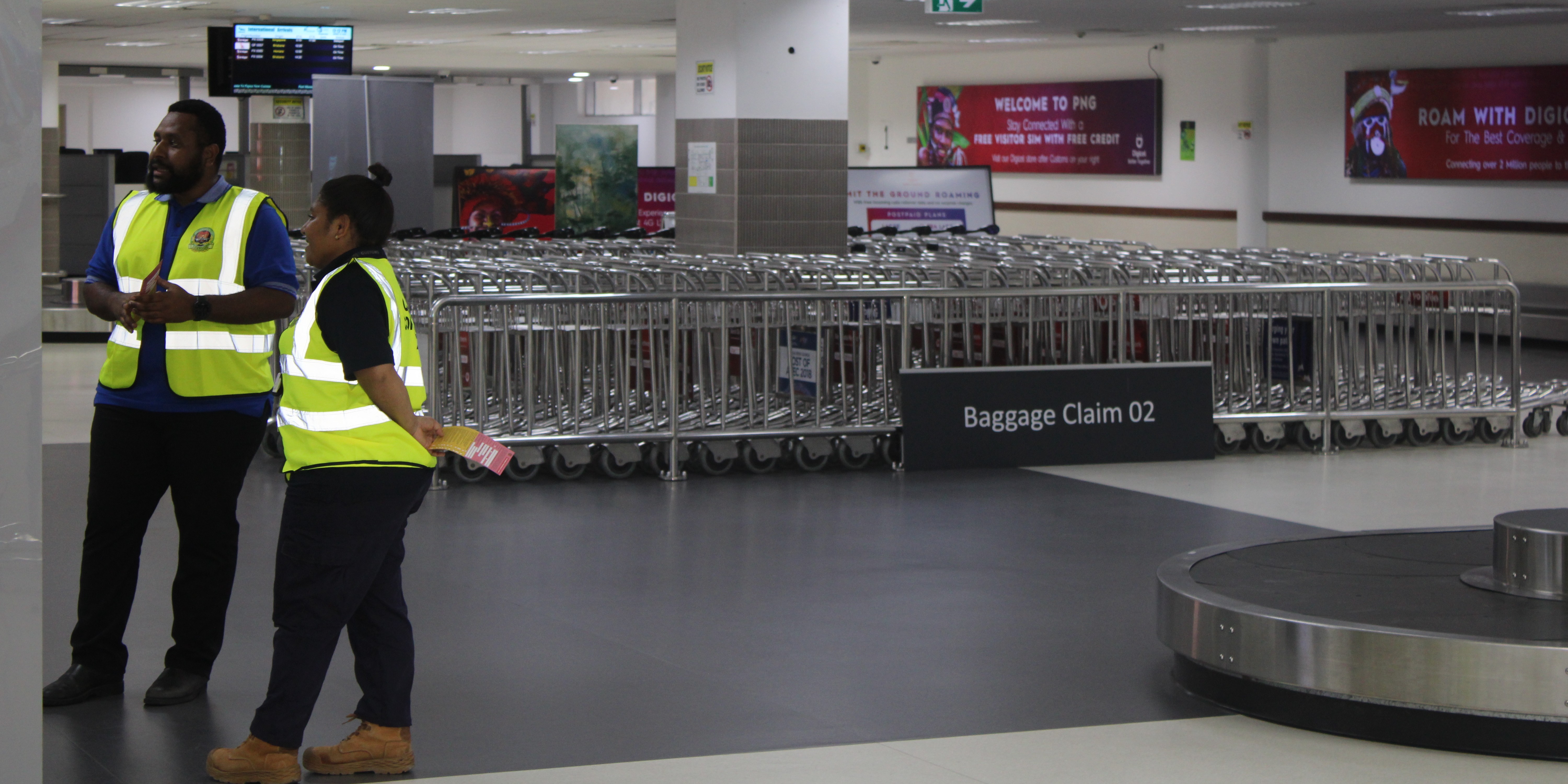
Welcome to the Land of the Unexpected. To ensure a seamless entry for your cruise vessel, passengers, and crew - the Papua New Guinea Customs Service requires strict adherence.
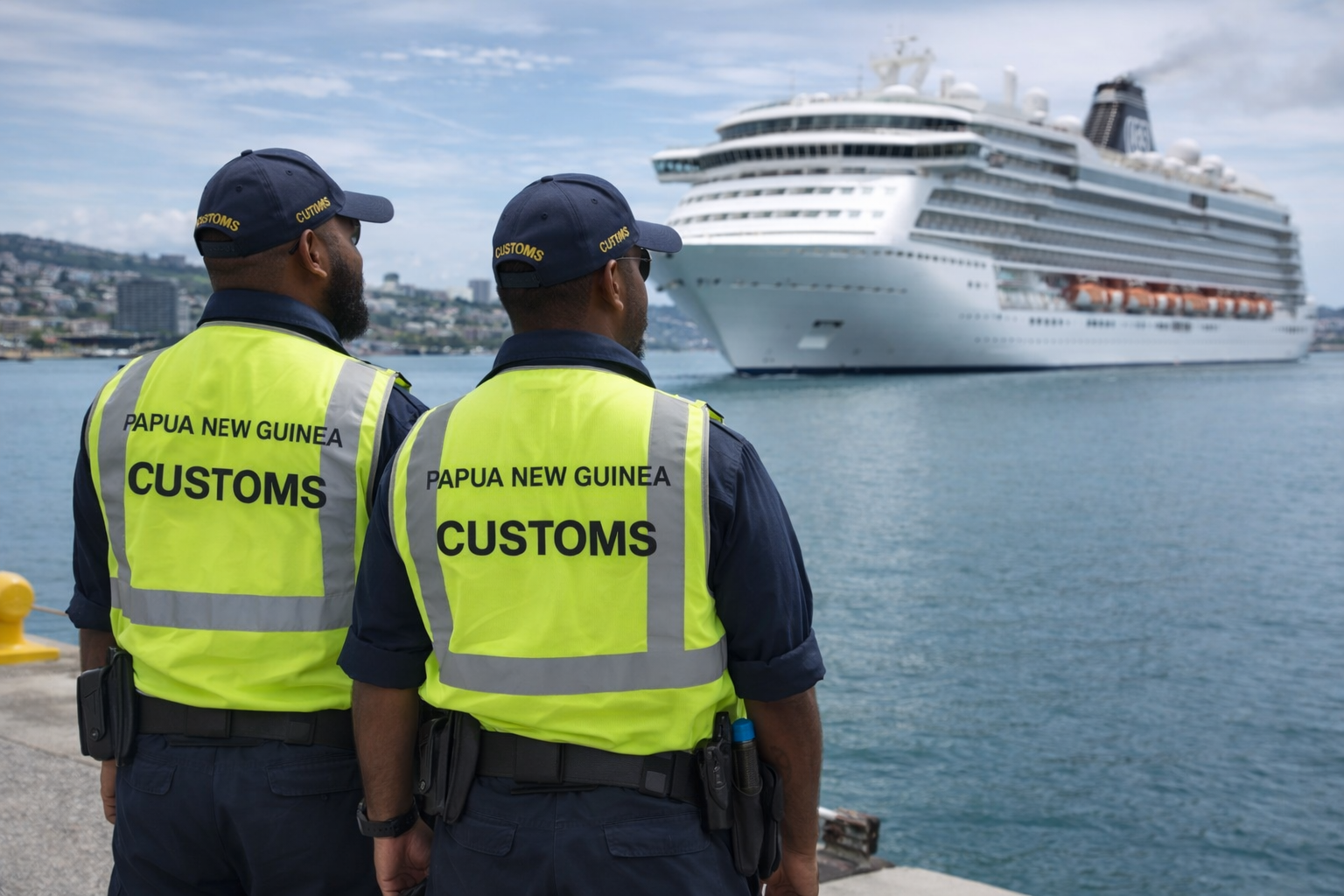
Vessel Arrival Requirements
All cruise vessels are legally required to provide advance notice and specific documentation before entering PNG waters.
- Standard Notice: The Master or Agent must notify Customs of the ship’s impending arrival at least 48 hours before reaching the first PNG port.
- Short Voyages: If the journey from the last foreign port is less than 48 hours, the report must be submitted 24 hours before arrival.
Upon arrival at the first port of entry, the following must be presented:
- Ship’s Report of Arrival (Inward Report).
- Passenger and Crew Report (Complete manifest).
- Report of Ship’s Stores (Inventory of food, alcohol, tobacco, and fuel).
- Crew Effects Declarations (Personal items held by crew).
- Clearance from the last port of call.
- Maritime Declaration of Health.
Immigration & Passenger Processing
PNG offers streamlined processing for cruise ships through Compliance Agreements with the Immigration & Citizenship Authority (ICA).
Cruise operators are encouraged to seek a Compliance Agreement to facilitate "faceless" clearance.
- Advance Manifests: Operators must lodge electronic passenger manifests in advance for both arrival and departure.
- Passport Checks: If an agreement is in place, Customs/Immigration will typically not perform individual face-to-passport checks for transit passengers.
- Landing Goods: Any passenger intending to leave the ship permanently in PNG or land goods subject to Customs/Quarantine control must present their declaration to an officer.
- Visas: All non-citizens must have a valid passport and visa.
- Passenger Cards: Every passenger must complete an Incoming Passenger Declaration (Cruise Ships). These are usually held by the vessel operator under the Compliance Agreement.
Visiting "Un-proclaimed" (Remote) Ports
If your itinerary includes remote islands or areas that are not official Customs-proclaimed ports, you must obtain special permission.
- Section 25(3) Permission: You must apply for a permit from the Chief Commissioner of Customs to visit un-proclaimed areas.
- Timeline: Submit written applications at least 30 days in advance.
- Cost Recovery: Operators are responsible for all costs associated with transporting and accommodating border officers to these remote locations for clearance.
Prohibited and Restricted Items
PNG has strict laws to protect its environment and community. Penalties for illegal importation are severe.
| Strictly Prohibited | Restricted (Requires Declaration) |
|---|---|
| Illicit drugs (Narcotics) | Firearms, weapons, or ammunition |
| Pornography/Objectionable articles | More than 250 cigarettes or 2.1L of alcohol |
| Counterfeit goods | Animals, plants, seeds, or soil |
| Spring-bladed knives | Cultural heritage artifacts (for export) |
Departure Procedures
Before leaving the last port in Papua New Guinea, the vessel must receive official outward clearance.
- Notice of Departure: Required 24 hours before the intended departure time.
-
Departure Documents:
- Ship's Outward Report.
- Passenger and Crew Departure Manifest.
- Report of Stores/Bunker Outwards.
- Offence Alert: It is a serious legal offence to depart PNG waters without a signed Customs Clearance.
Here's a Checklist for Masters & Agents
- 48 Hours Out: Submit Impending Arrival Report and Cargo/Stores manifest.
- Documentation: Ensure all passengers have completed the Incoming Passenger Declaration.
- Visas: Verify all passengers and crew have valid travel documents.
- Special Permits: Ensure Section 25(3) permission is granted for any remote stops.
- Health: Have the Maritime Declaration of Health ready for the boarding team.
- Stowaways: Immediately notify Customs if any unauthorized persons are found on board.
⚠️Legal Warning:
Failure to comply with the Customs Act may result in heavy fines (up to PGK 25,000), administrative penalties (20%–100% of the minimum fine), or forfeiture of the vessel.
For specific cruise vessel inquiries or Section 25(3) applications, contact the Director National Border Command: 📧ncc@customs.gov.pg
Register for Importing/Exporting
Importing a vehicle

Forms & Guides